
Balancing parents’ needs and your business’s success is essential in the childcare industry. One way to achieve this balance is by creating a welcoming and nurturing environment for parents and children. This can be achieved through effective communication with parents, ensuring that their concerns are addressed promptly, and providing regular updates on their child’s progress.

While Tier II rates may seem challenging for home providers, we want to show you how you can still come out on top by leveraging tax deductions and maximizing financial benefits. Whether you’re a seasoned provider or just starting, these strategies will help maximize your participation in the Food Program. So let’s explore how you
The world of home daycare can be challenging, with constantly changing regulations and requirements. With the expiration of the Keep Kids Fed Act on July 1, 2023, and the change back to tiering in the Food Program (CACFP), it can take a lot of work to keep up with the latest changes. However, you don’t

As a home sponsor, you know how valuable your providers are and how important it is to keep them happy and engaged. We’re sharing some helpful ideas on how to retain your Tier II providers so that you can continue to provide nutritious meals to children in your community. From checking their school and census
The Road to June 30: Everything You Need to Know What is the Keep Kids Fed Act? In 2022, the USDA was given the power by Congress to provide schools and meal program operators with the necessary flexibility to keep feeding children. Despite the pandemic being under control, issues such as increased food insecurity and
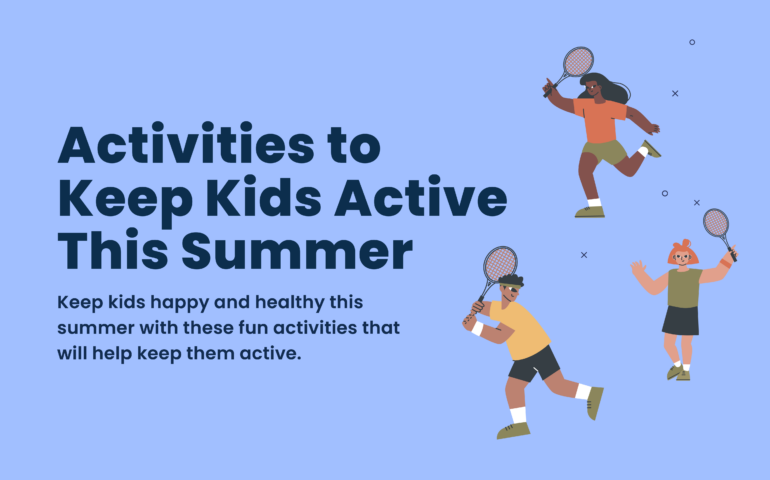
As a childcare educator, you know that one of the keys to keeping kids happy and healthy is to keep them active. Exercise helps kids stay at a healthy weight, improves their mood and reduces stress, and gives them more energy. It also helps them to sleep better at night. Summer is a great time

Mental health matters: Social and Emotional Development in Children This blog post discusses the importance of social and emotional development in children and provides tips for parents and caregivers on how to help children learn these skills. 5 Fun Activities to Keep Kids Active This Summer As a childcare provider, you know that one of
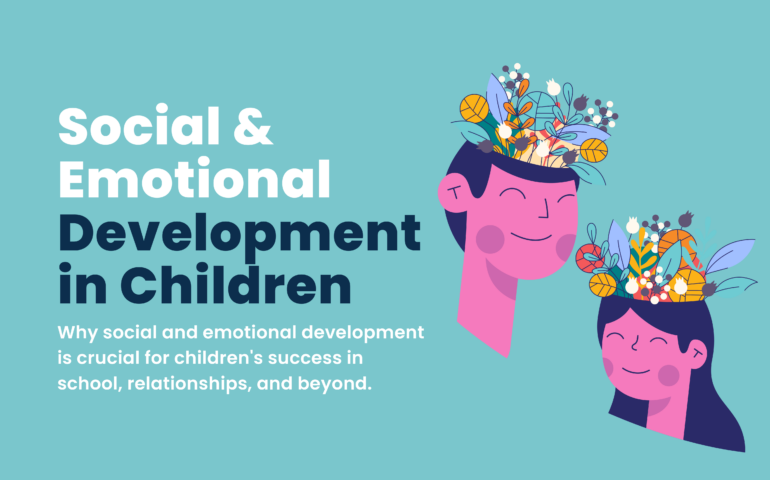
“Mental health is a critical component of children’s learning and general health. Fostering social and emotional health in children as a part of healthy child development must therefore be a national priority” U.S. Department of Public Health Service, 2000, p. 3 Social-Emotional Development Being aware of a child’s social-emotional development is crucial for their mental
Employee engagement is an essential component of any successful early childhood education program. Annetta Rutland, with her extensive experience in the early childhood education industry, knows this better than anyone. In the video linked below, she provides tips and strategies on how to create an engaged team, which is integral to the success of any

CACFP Nutrition Tips for Children: How to Build a Stronger Tomorrow Nutrition is an important part of growing into a healthy adult. The Child and Adult Care Food Program provides resources to help childcare centers and homes implement more nutritious meals for their participants. Food Safety Tips for Your Childcare Business Ensuring your childcare’s food