Where does your food come from?
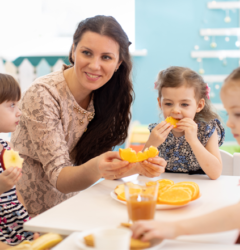
It’s a simple question — but for the children in your care, it can open up a world of connection. To the farmer who grew the carrots on their plate. To the garden outside their classroom window. To the community around them.
That’s what Farm to CACFP Week is all about. Organized each year by the National CACFP Association, this national campaign highlights the ways child and adult care programs can connect local food, gardening, and agriculture education with the Child and Adult Care Food Program.
This year, Farm to CACFP Week runs October 18–24, 2026 — and September is the perfect time to start planning.
Farm to CACFP connects three areas — and you don’t need to do all three to participate:
🥕 Local food procurement Purchasing food from local farms, farmers markets, or community gardens. Even sourcing one item locally — like apples from a nearby orchard or sweet potatoes from a regional farm — counts. Every local food purchase supports your community’s agriculture and keeps food dollars circulating locally.
🌿 Gardening and agriculture education Growing herbs in a windowsill planter, planting a raised bed, or visiting a local farm. When children participate in growing food, they develop curiosity about healthy eating and a hands-on connection to where their meals come from.
📖 Nutrition education with a local focus Reading books about farming, talking about what grows in your region, introducing seasonal produce at mealtimes, and leading taste tests with locally grown fruits or vegetables. These activities connect nutrition education to real-world experiences children can see, touch, and taste.
You don’t need a farm partnership or a garden to participate. Here are ideas you can do with whatever resources you have:
If you’re already planning your fall CACFP menus (and September is the time to do it), Farm to CACFP gives you a reason to think about where your ingredients come from — not just what they are.
Fall produce that’s both in-season and CACFP-creditable includes apples, pears, sweet potatoes, butternut squash, carrots, beets, cabbage, kale, and broccoli. Many of these can be sourced locally depending on your region.
For fall recipe ideas using seasonal produce, check out our CACFP Fall Recipes blog — featuring standardized recipes from the NCA and ICN with crediting information already calculated.
From the National CACFP Association:
From partner organizations:
From KidKare: